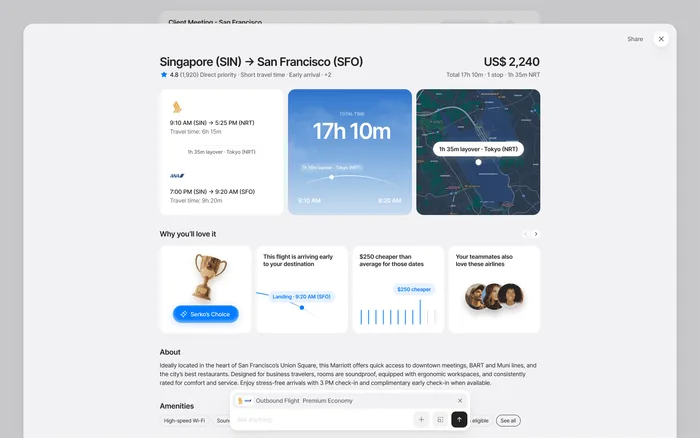
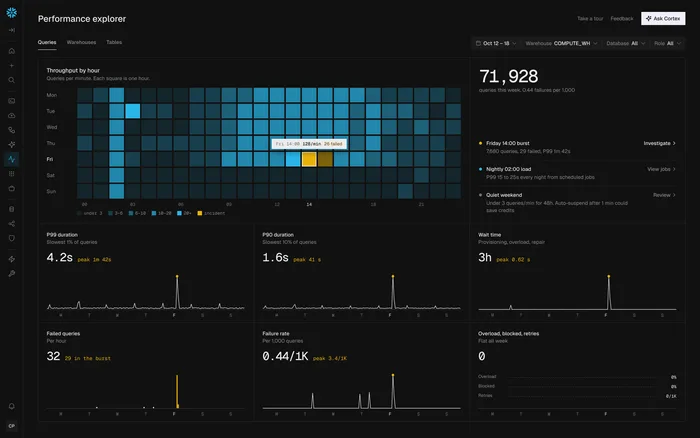
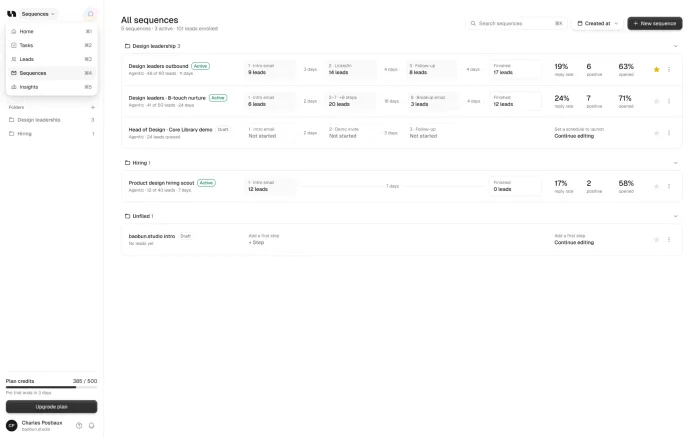

With a senior studio, designing a B2B MVP costs from about $15,000 and takes 6 to 8 weeks. That should cover a product map, the core flows, a design system, a coded prototype and every screen of version one. The main thing that changes the price is how much you put in version one.
Our take: The cheapest way to design an MVP is to cut it in half before you start. Every flow you remove saves design time and build time.
TL;DR
The price
From about $15,000 with a senior studio, as a fixed price.
The time
6 to 8 weeks for most B2B products.
The main lever
How much you put in version one.
The real risk
Building the wrong thing, not the design fee.
What moves the price
The biggest factor is how many flows you put in version one. After that comes who it’s for: one kind of user is much simpler than admins, daily users and clients together. Screens full of data also take longer.
The rest depends on how far you want to go. A coded prototype to test before building, and help during the build, both add work and lower your risk.
Flows
How many are in version one.
Users
One kind, or several.
Data
How much the screens show.
What ours costs
Our MVP design starts at $15,000, as a fixed price agreed in writing before work starts, and takes 6 to 8 weeks. You get a product map in week 1, then the core flows, a design system, a coded prototype and every screen your team needs.
If you’d rather try us first, the two-week pilot is $7,500.
How to keep version one small
List every flow you can think of, then keep only what your first users need to get their job done. Serve one kind of user first, and use a simple design system instead of custom screens.
Then test a prototype with people from your waitlist before anyone builds it. It’s much cheaper to change a prototype than a product.
Leave for later
- Second user type
- Settings beyond the basics
- Nice-to-have reports
Keep in version one
- The job your first users came for
- Sign-up and onboarding
- The screens that prove the idea
Where cheaper options can cost more
The real risk isn’t the design fee. It’s building the wrong thing. A freelancer or a template can be right for a very early test.
But screens without states, specs or a system get expensive once engineers start guessing, so compare the price against the cost of rebuilding version one.
What the price should include
Whoever you hire, check that these are in the scope. Each one removes a guess your engineers would otherwise have to make.
A product map
Every flow listed, then cut down to version one.
The core flows
Designed and reviewed with you each week.
A design system
So your team can add screens without a designer.
A coded prototype
Tested with your waitlist before the build.
Should you design before you raise?
It depends on what you need to prove. A coded prototype can show investors and early customers something real, without paying for a full build.
The two-week pilot is often enough for that: one core flow and a prototype you can put in front of people. You can decide on the full MVP after that.
What happens after version one
An MVP isn’t the end of the design work. Once real people use it, you’ll learn which parts matter and which don’t, and the next few months are often the most valuable. Plan for that from the start, instead of spending everything on the first version.
A good design system pays off here, because your team can add screens without starting again. Some founders move to a monthly plan at this point, for steady design help, and others bring the work in-house once they’ve hired.
Whichever you choose, make sure you own the files and the system. With us, everything is yours once paid, and it stays yours if we stop working together.
Sources